When a fire occurs in a home or business, most attention naturally goes to the flames themselves. Once the fire is extinguished, it can feel like the worst part is over. In reality, smoke and soot damage often create longer lasting issues than the fire itself, especially in Cheyenne, WY where dry air, strong winds, and seasonal weather patterns allow residue to spread quickly throughout a property.
Smoke and soot rarely stay confined to the area where the fire started. These particles move through hallways, ventilation systems, attics, and wall cavities, settling into surfaces that may appear unaffected at first glance. Without proper cleanup, this residue continues to impact structural materials, indoor air quality, and overall safety.
How Smoke Spreads Through Cheyenne Properties
Smoke travels fast and finds every available opening. In Cheyenne homes and buildings, it often spreads through HVAC systems, attic spaces, and construction gaps, even from relatively small fires in kitchens, garages, or utility areas. Wind exposure common in the region can further drive smoke particles deeper into the structure.
Dry conditions allow smoke residue to embed into porous materials such as drywall, insulation, wood framing, carpets, and upholstery. Once absorbed, smoke damage becomes much harder to remove without professional restoration methods.
The Impact of Soot on Surfaces
Soot is more than surface dirt. It is a corrosive byproduct of combustion that continues to damage materials over time. When soot remains on walls, ceilings, metal fixtures, appliances, or electronics, it can stain finishes, weaken materials, and cause permanent deterioration.
In Cheyenne properties, soot damage is often underestimated because it may appear as light discoloration or a thin film. Even when subtle, untreated soot can lead to long term damage if not addressed properly.
Why Smoke Odors Linger
One of the most common problems after a fire is persistent smoke odor. Ventilation or air fresheners do little to solve the issue because smoke odors come from particles embedded in materials, not just airborne smells.
Homes and buildings in Cheyenne are often sealed tightly to protect against cold weather, which can trap smoke odors inside wall cavities, insulation, and flooring. Without targeted odor removal techniques, these smells tend to return, especially as temperatures change.
Firefighting Efforts Create Additional Damage
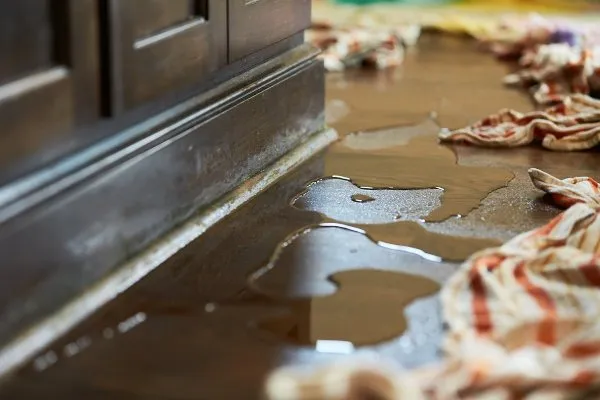
Extinguishing a fire almost always causes secondary damage. Water, foam, and debris used during firefighting efforts can soak materials and spread smoke residue further into the structure.
In many Cheyenne fire losses, water damage combines with smoke and soot contamination. If these issues are not addressed together, they can lead to material breakdown, mold growth, and added repair costs.
Hidden Damage After a Fire
Not all fire damage is visible. Heat can weaken framing, flooring, and support materials even when they look intact. Smoke can penetrate enclosed spaces without obvious staining. Electrical systems may also be affected by heat exposure or residue buildup.
A thorough inspection is essential after a fire to identify hidden damage that could create safety risks if left unresolved.
Indoor Air Quality Concerns
Smoke residue impacts indoor air quality long after a fire. Fine particles can remain airborne or resurface when disturbed, causing respiratory irritation and discomfort for occupants.
In Cheyenne, where outdoor air quality can already be affected by wind and seasonal conditions, untreated indoor smoke contamination can make living or working spaces unhealthy. Proper cleanup helps restore a safer indoor environment.
Why Professional Fire Damage Restoration Matters
Fire damage cleanup requires specialized tools and techniques. Standard household cleaners are not designed to remove soot safely and often smear residue deeper into surfaces, making damage worse.
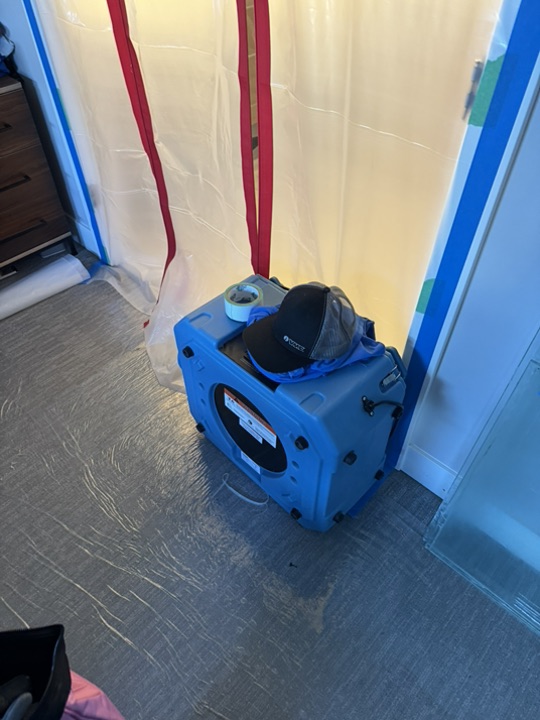
Professional fire damage restoration focuses on controlled removal of smoke residue, proper surface cleaning, odor control, and protection of affected materials. This approach reduces further damage and supports long term recovery.
The Risks of Delaying Restoration
Delaying fire damage restoration allows soot and smoke residue to continue causing damage. Stains set, odors intensify, and corrosion accelerates. The longer cleanup is postponed, the more difficult and expensive restoration becomes.
In Cheyenne’s dry climate, these effects can progress quickly, making timely restoration an important part of limiting overall damage.
What Fire Damage Restoration Involves
Fire damage restoration begins with a detailed assessment of smoke, soot, and heat impact. A clear plan is developed to address affected areas, materials, and contents.
The process includes removing soot, cleaning surfaces, addressing odors, and controlling air quality to ensure the property is safe and usable again.
Restoring Safety and Confidence
Fire damage can make a property feel unsafe even when damage appears minimal. Smoke residue, odors, and hidden issues often prevent normal use of the space.
Proper fire damage restoration helps Cheyenne homeowners and property owners move forward with confidence, knowing their property has been carefully cleaned, stabilized, and restored.
Final Thoughts
Fire damage does not end when the flames are gone. Smoke and soot continue to affect a property long after the fire is out, especially in Cheyenne, WY where environmental conditions allow residue to spread and settle deeply. Addressing fire damage properly protects the structure, improves indoor air quality, and prevents long term issues from developing. Professional restoration helps return both the property and peace of mind.